
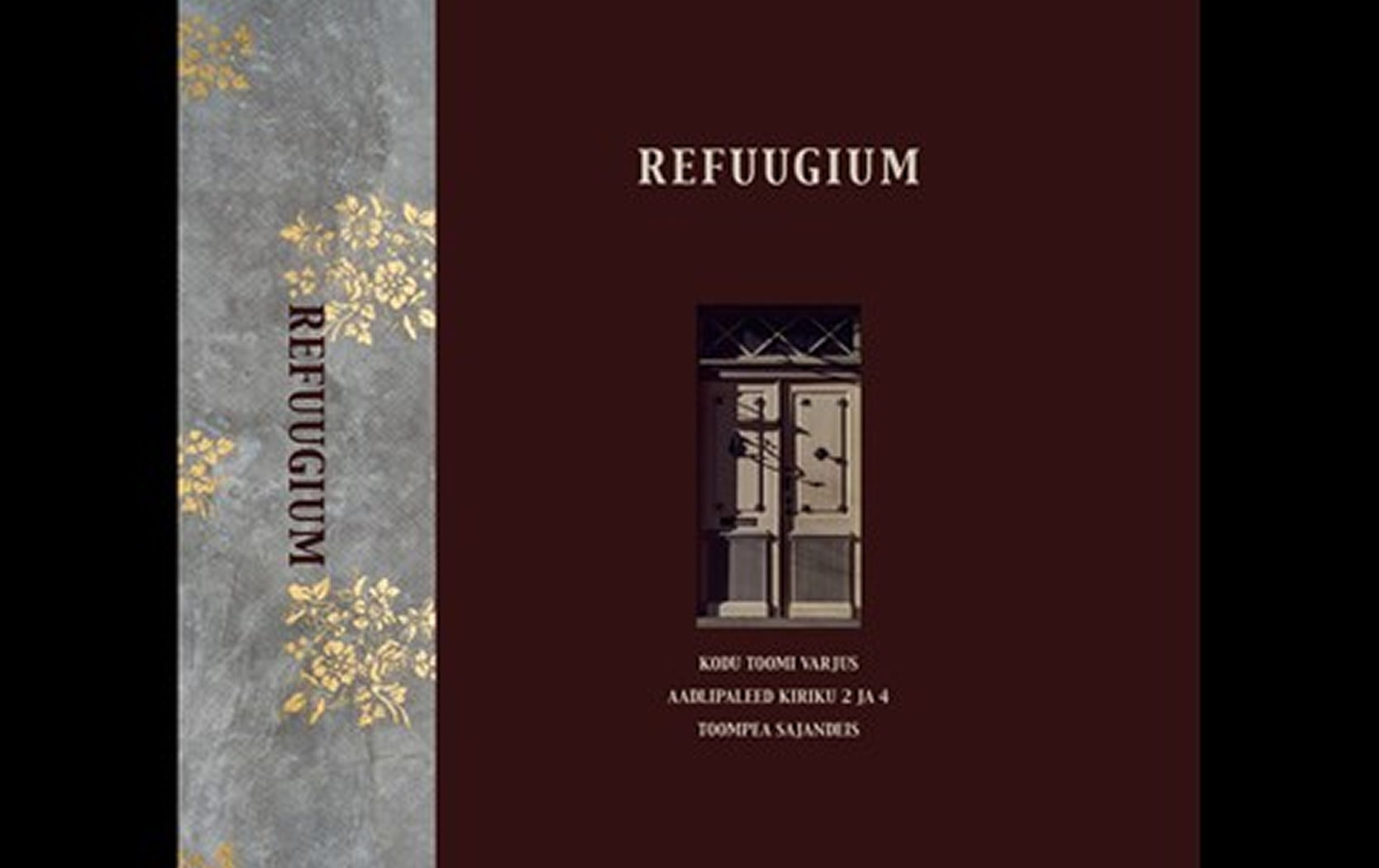
„Refuge. Living in the shadow of Toom. The noblemen's palaces at Kiriku 2 and 4. Toompea through the centuries"
Written by historian Juhan Maiste
Designed by Peeter Laurits
Edited by Kadri Asmer
Refuge
Published in 2019 to mark the 100th anniversary of the Republic of Estonia and the National Audit Office.
The book describes Toompea as the heart of power in Tallinn through the centuries, its development, the prevailing mentality, the noblemen's city as a mental sanctuary, a sort of refuge in a changing world, as well as the complex of palaces on Toompea behind St Mary's Cathedral at Kiriku 2/4, which is where the National Audit Office of Estonia has resided since 2016. Among other things, the book talks about the properties of many famous and influential noble families – the Wrangels, the Buxhöwdens, the Staals, the Manteuffels, the Stackelbergs, the Rosens – and others on Toompea.
The book also has two appendices: one gives a thorough overview of the restoration of Kiriku 2 and 4 (written by architecture historian and heritage conservationist Henry Kuningas) and the other gives an overview of the different headquarters of the National Audit Office over the last 100 years (written by Toomas Mattson and Margit Kuusk).
The 368-page book is enriched with 353 photos and other illustrations, including 3D models of the Kiriku 2/4 complex. The book also includes a 30-page summary in English.
E-state charter. Everyone’s rights in e-state
The National Audit Office and the Chancellor of Justice created the Estonian e-state charter, which the users of public services can check to see which rights they have when communicating with the agencies in e-state and make sure that they have been followed.
The charter also allows each agency to review their operations easily and systematically and to set clear and easy-to-measure goals to the establishment of administrative procedures that are more focused on citizens.
In the present situation where the majority of Estonian people communicate via means of information and communication technology and information is often presented, stored and forwarded electronically, it is particularly important not to burden people unnecessarily and ensure that electronic communication is simple. Public services include, for example, processing residence permits, applying for benefits, declaring taxes, complying with precepts.
The e-state charter was prepared by the specialists of the National Audit Office, the Office of the Chancellor of Justice and the Department of Information Society Services Development of the Ministry of Economic Affairs and Communications. The final text was created with the assistance of many state agencies, such as the E-state Academy.
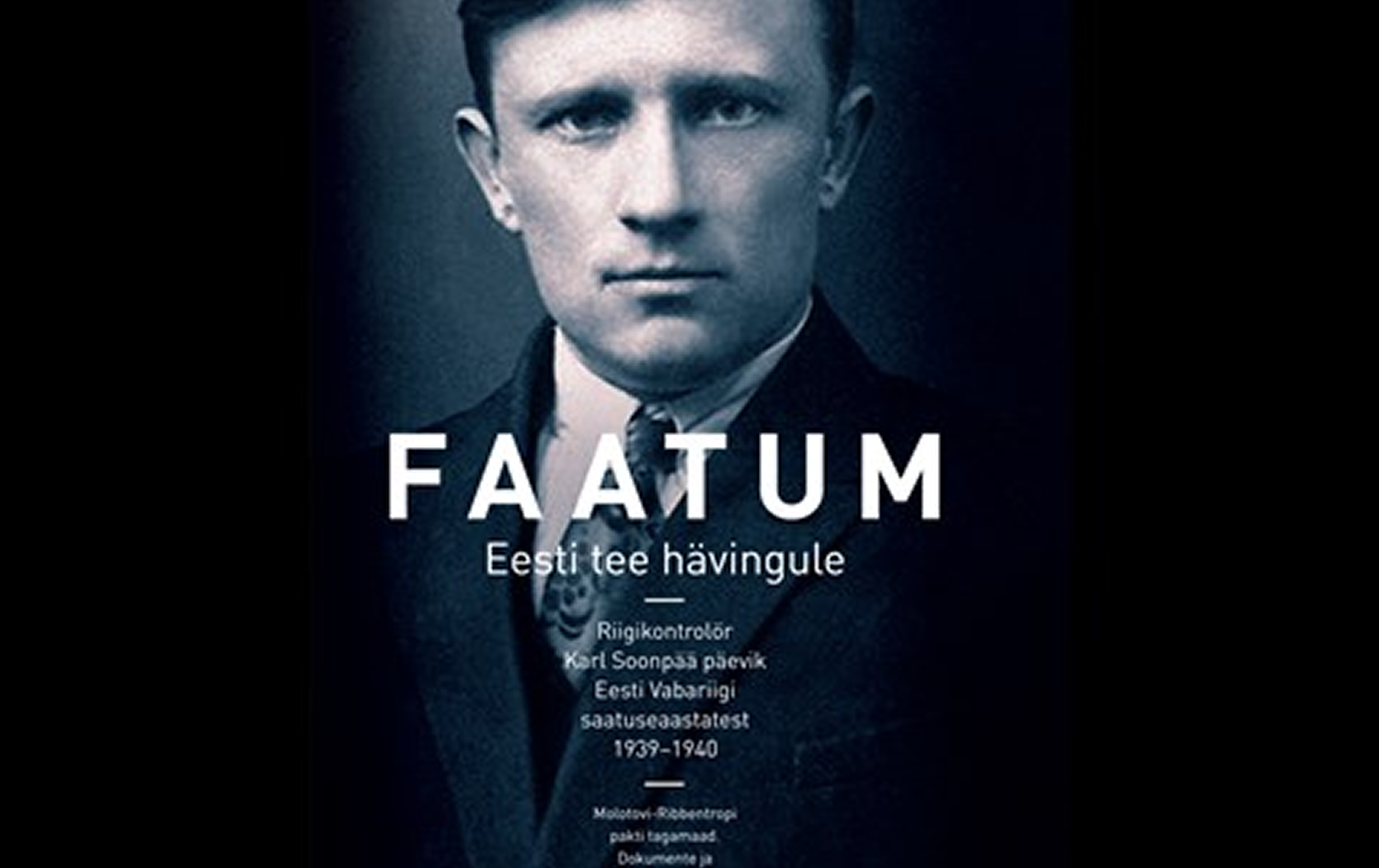
„Fatum. Estonia's road to ruin 1939-1940. Diary of Auditor General Karl Soonpää from 1939-1940. Background of the Molotov-Ribbentrop Pact: Documents and Materials.“
Compiled by Küllo Arjakas
Designed by Andres Tali
Published by SE&JS, 2009
Fatum
Published in the spring of 2009 to commemorate the 90th anniversary of the National Audit Office.”
The book contains the diary of Auditor General Karl Soonpää from 1939–1940, as well as political, diplomatic, and military documents, articles, letters, source materials, and photographs from the late 1930s and early 1940s
The 840-page book describes the fatal background of these important years in words and pictures. “Fatum” is so far one of the most detailed ones among all the books published about this extremely tragic epoch and many unique photos and documents were published in Estonia for the first time (there are 350 photos in total).The documents, which are supported with comments and photos, also give a frightening reflection of the present day.
Publisher Sirje Endre said that “Fatum” could be the teacher and the guide into the future for those who wish to understand or explain to themselves the problems that Estonia, Europe and the whole world are facing today.
National Audit Office 1918-2008
Published in the spring of 2009 to celebrate the 90th anniversary of the National Audit Office.
The collection is an overview of the history of the National Audit Office and the people who have made this history. The book contains stories about the annual activities of the National Audit Office, materials from archives and newspapers, laws and regulations, and other documents and photos.
Years are not the same and this means that the history of the National Audit Office, which consists of two stages, also contains periods of bigger and lesser significance. This is why the different years discussed in the book vary in volume and detail. There is no doubt that all years deserve to be individually studied and this collection is the attempt to lay the first foundation to recording the institution’s history. The book also contains a chronology of social and political events for each year, which gives information about the work of the National Audit Office as well as the events that occurred in the Republic of Estonia.
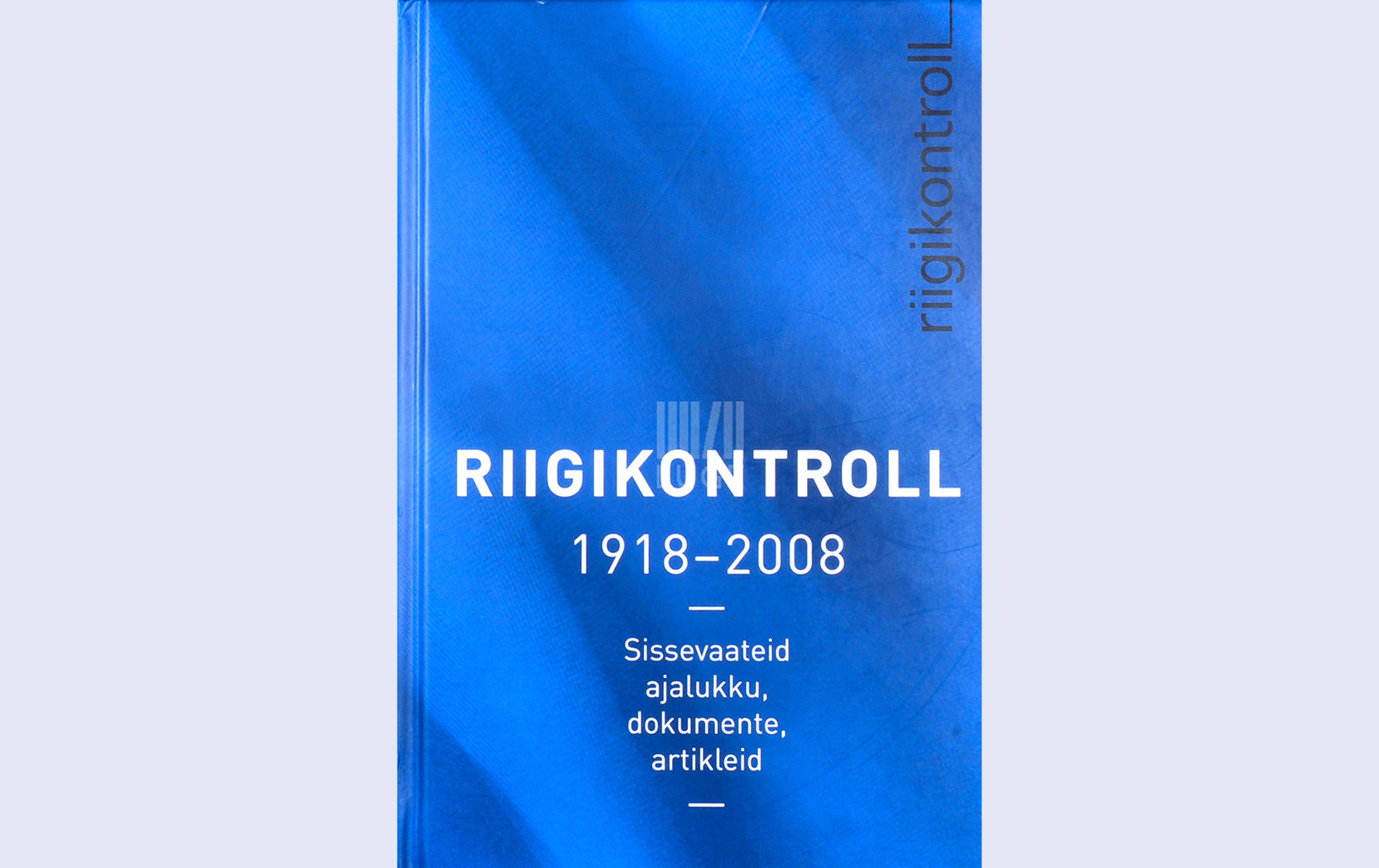
National Audit Office 1918-2008
Compiled by Küllo Arjakas and Toomas Mattson
Designed by Andres Tali
Published by SE&JS, 2009
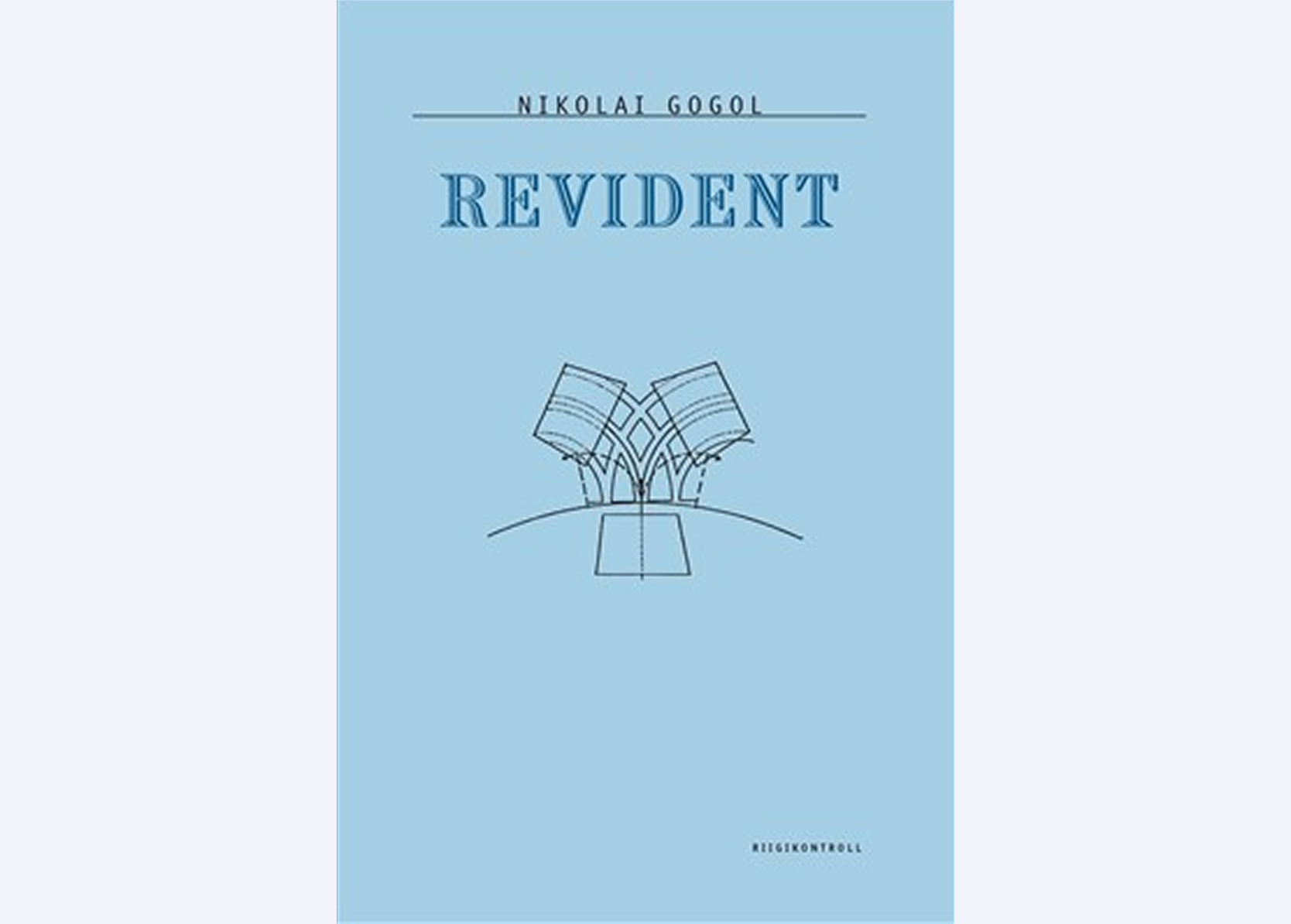
Nikolai Gogol "The Government Inspector"
Translated by Toomas Kall
Designed by Jaan Klõšeiko
Edited by Kalev Lattik ja Piret Malv
Nikolai Gogol "The Government Inspector"
Published in 2003 to celebrate the 85th anniversary of the National Audit Office.
In 2003, on the occasion of its 85th anniversary, the National Audit Office issued a corporate edition of the immortal comedy The Government Inspector by Russian writer Nikolai Vasilievich Gogol. The new translation was made by Toomas Kall, and the publication was designed by Jaan Klõšeiko. Edited by Kalev Lattik and Piret Malv.
Among the recipients of this publication was Siim Kallas, who in 2004 was appointed Vice-President of the European Commission, with responsibilities including audit-related activities and combating fraud. In 2006, the National Audit Office also presented the book to all local governments in Estonia following amendments to the law that extended the Office’s auditing authority to municipalities.